The spectator as participant
The relationship between performance and cinema need not be stated as equivalence. It exists instead as a trace.
The body becomes the frame. The gesture becomes scale. The voice acquires an unseen body.
Space is fragmented, extended and reassembled. Duration becomes something cinema can suspend, compress or withhold.
Where the stage gives us presence, cinema gives us its traces. And between the two remains the spectator.
Every image is also an act of selection. To reveal is a decision; to conceal is another. Cinema directs attention — towards what is seen, what is withheld, and what is left unresolved.
The question is therefore not only: what did I feel? But also: what kind of looking produced that feeling?
The spectator enters the work carrying memory, expectation and personal association. The image may be fixed, but its experience is not. Each encounter completes the work differently. The film ends at the edge of the screen. Its afterlife belongs, in part, to the spectator.
Nine rasas. Eighteen films. Two days.
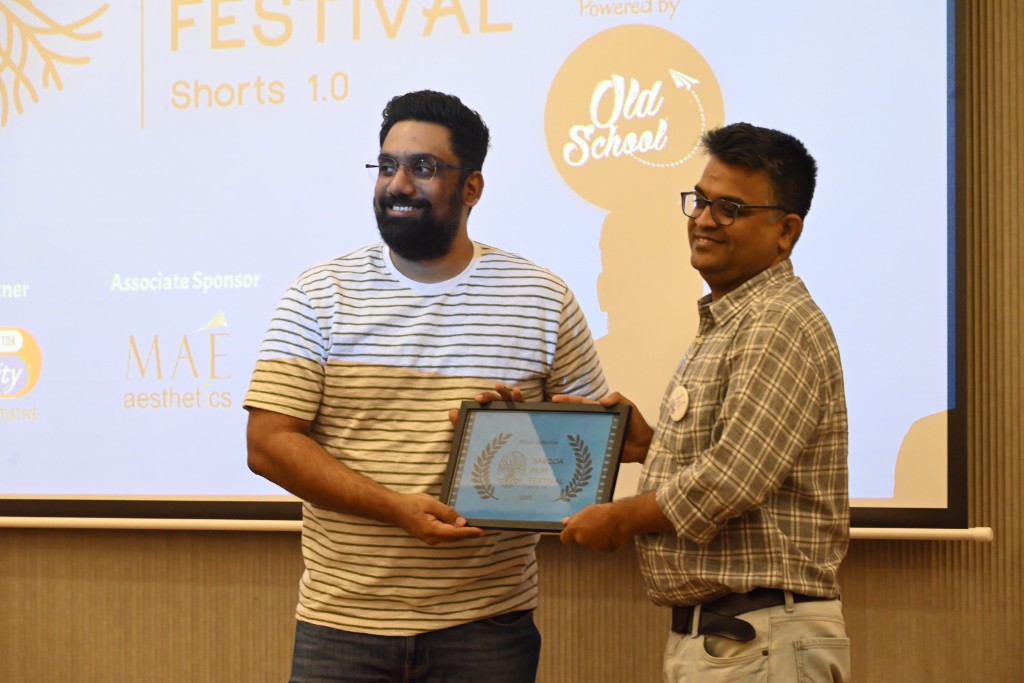
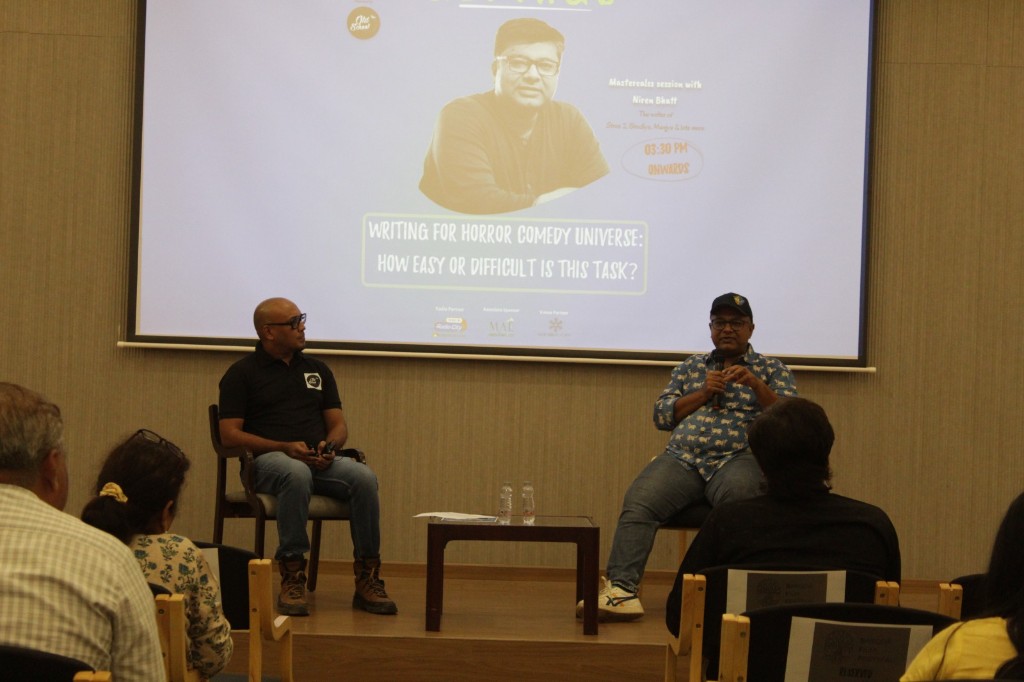
RASA — Baroda Film Festival brings together eighteen short films through the nine rasas, placing two films in dialogue with each rasa. The pairings are deliberate, but their meanings remain open.
Two films may approach grief through entirely different registers. Desire may inhabit different bodies, spaces or gazes. Fear may emerge through violence in one work and through absence in another.
Placed beside one another, the films do not simply illustrate a rasa. They complicate it.
One film may alter the way another is perceived. A gesture may acquire a new significance. An image may linger beyond its own duration and enter the next encounter.
The programme is therefore conceived not as a catalogue of films, but as a curated field of relations — a sequence of intensities, pauses and transitions. The films are not isolated objects. They are part of a larger act of attention.
The shared space
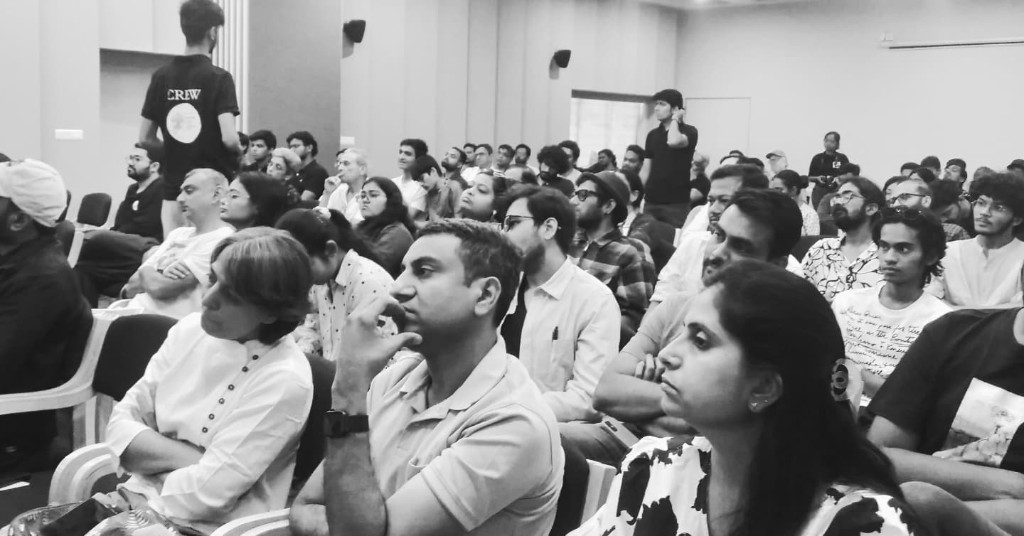
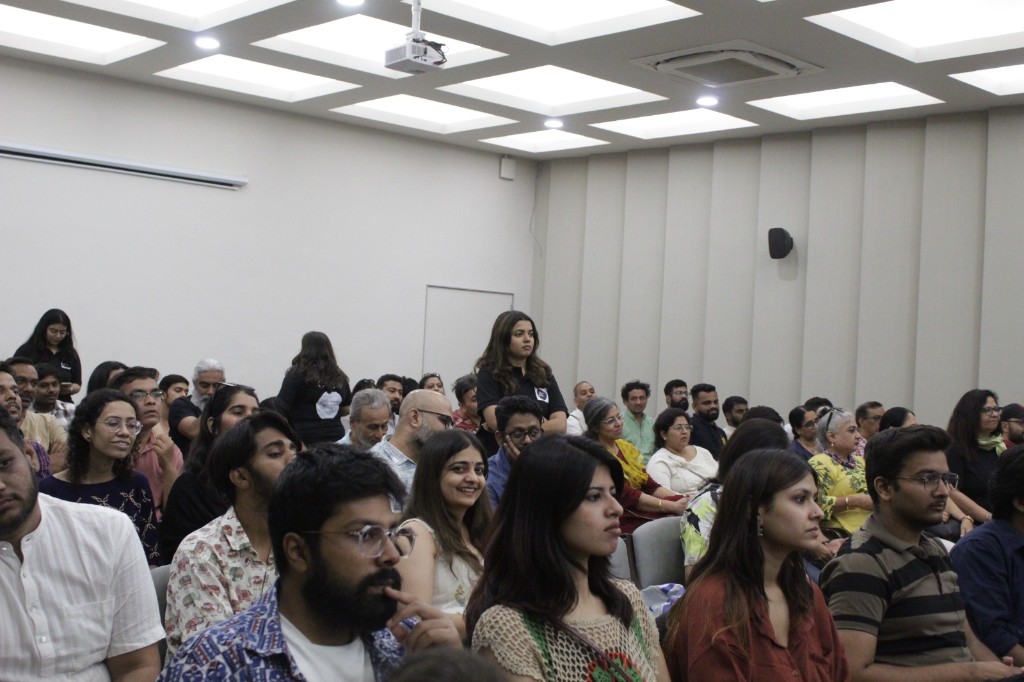
A screening is never an entirely private act. For two days, different histories, experiences and perspectives occupy the same space.
- Attention. Watch before judging. Allow a work to remain unresolved, difficult or unfamiliar.
- Dialogue. Disagreement is part of critical engagement. It need not become hostility.
- Dignity. Speak about the work with seriousness and about one another with care.
- Consent. Ask before photographing or recording another person.
- Privacy. Respect the boundaries of fellow participants, filmmakers and subjects represented on screen.
- Presence. Phones, conversations and interruptions alter the shared conditions of viewing. Be conscious of the space you occupy.
The festival does not ask for consensus. It asks for attention, curiosity and care.
The image disappears. The experience does not.
Perhaps this is where the exhibition truly begins. Not within the image. Not entirely within the spectator. But in the space between them.